
The Philippines is a tropical paradise made up of over 7,000 islands, each offering something unique—from powdery white beaches and lush mountains to vibrant festivals and rich culture. However, planning your trip here means understanding our distinct weather patterns: the wet season (June to November) and the dry season (December to May). These seasonal variations play a big role in shaping your travel experience. The dry season, also known as the summer months, is the peak time for tourism. Expect sunny skies, perfect for beach-hopping in Palawan, exploring rice terraces in Banaue, or diving in Cebu’s crystal-clear waters.
On the other hand, the wet season brings frequent rains and the occasional typhoon, which can disrupt travel plans but also offers quieter tourist spots and lush green landscapes. Some destinations, like Siargao for surfing, are best during specific months, so timing matters. As a local, I’d say the best time to visit depends on what you want to experience. Whether you’re chasing festivals, island adventures, or serene escapes, knowing when to come ensures you make the most of your trip. After all, our islands are beautiful year-round, but a little planning goes a long way in creating the perfect tropical getaway.
Best Time to Visit the Philippines
When planning a trip to the Philippines, timing is everything. The country experiences two primary seasons—dry and wet—each with distinct advantages and considerations. Understanding these variations will help you decide the best time to explore this tropical paradise.
Dry Season (November to April)
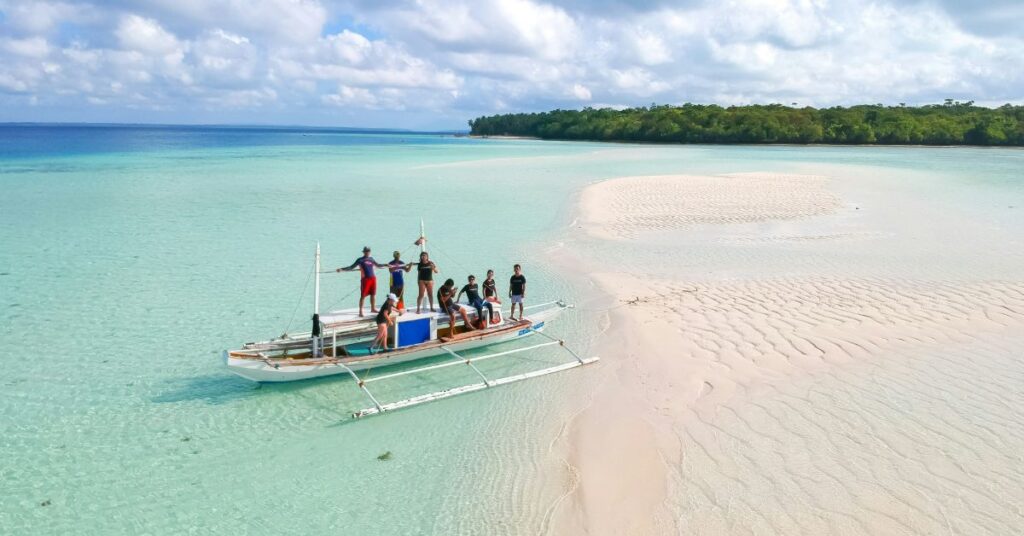
The dry season, often referred to as the peak travel period, is the most popular time to visit the Philippines.
Peak Months (December to February)
- These months offer the most favorable weather conditions, with temperatures ranging from 24°C to 31°C (75°F to 88°F).
- Reduced humidity levels make outdoor exploration and beach activities more comfortable.
- This period is ideal for island-hopping, diving, and trekking.
Festivals and Events
The dry season coincides with several lively cultural celebrations:
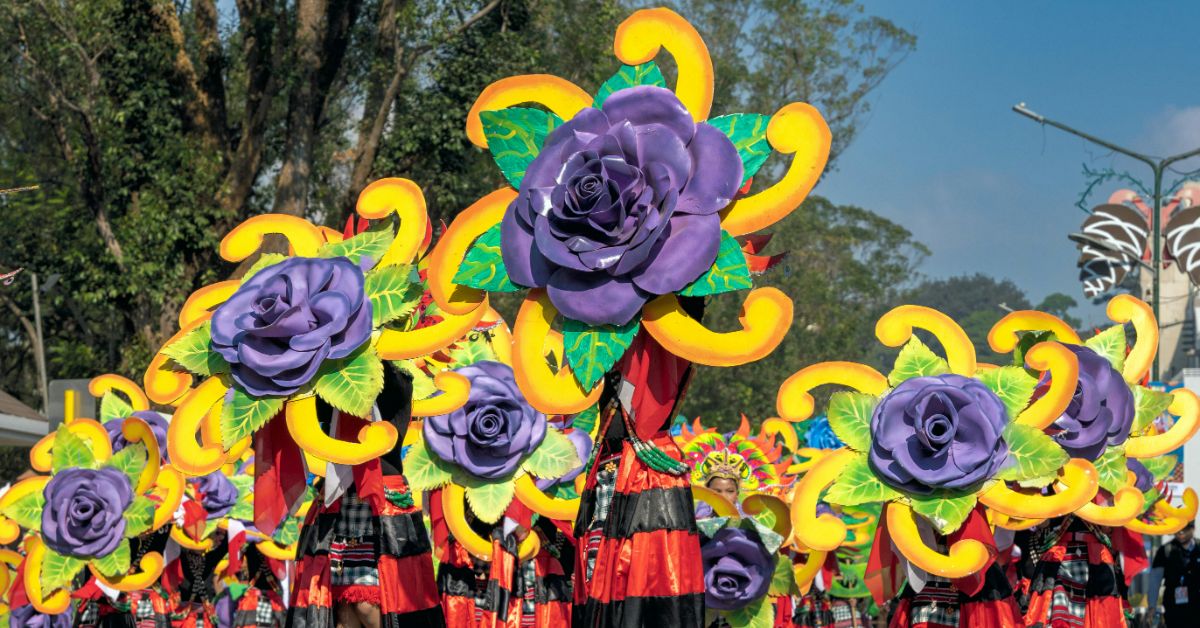
- Sinulog Festival in Cebu (January): A grand parade and street party honoring the Santo Niño.
- Ati-Atihan Festival in Kalibo (January): A colorful, traditional event with music and dancing.
- Holy Week (March/April): A solemn yet vibrant time with religious processions and cultural events throughout the country.
Read also: Best Philippine Islands to Explore
Weather Conditions
- From November to February, the weather is warm and dry, making it perfect for outdoor activities like hiking, snorkeling, and exploring historical sites.
- By March and April, temperatures start to rise, sometimes reaching 34°C (93°F). While still suitable for travel, these months may require extra precautions for heat-sensitive individuals.
Shoulder Months (May and November)
The shoulder months of May and November offer a balance between the dry and wet seasons, making them appealing to travelers seeking fewer crowds.
May
- This transitional month marks the end of the dry season.
- Temperatures can reach the high 30s°C (around 95°F), but the weather remains predominantly sunny with occasional rain.
- It’s a great time to visit before the onset of heavier rainfall in June.
November
- As the wet season subsides, November brings decreasing rainfall and cooler temperatures.
- This month offers quieter attractions, ideal for those seeking a more relaxed experience without peak-season crowds.
Wet Season (June to October)

The wet season, while less popular for tourism, has its unique charms and considerations.
Characteristics
- Rainfall is more frequent during this time, with lush greenery transforming the landscapes into a verdant paradise.
- Fewer tourists make it an excellent time for a peaceful retreat.
Low Season (July to September)
- These months see the heaviest rains and increased likelihood of typhoons, particularly in coastal and northern regions.
- While outdoor activities may be limited, budget travelers can take advantage of lower prices on flights and accommodations.
Read also: Must-Visit Hidden Gems in the Philippines
Travel Considerations
- Rain often comes in short bursts rather than all-day downpours, so travelers can still enjoy sunny intervals.
- Activities like hiking may be impacted by slippery trails, but indoor attractions and cultural sites remain accessible.
- Typhoon season calls for flexible travel plans and close monitoring of weather forecasts.
By understanding these seasonal patterns, travelers can choose the best time to visit the Philippines based on their preferences for weather, activities, and crowd levels.
Tips for Choosing the Best Time
Deciding when to visit the Philippines depends on your personal travel preferences, planned activities, and budget. Here are some key factors to consider:
Factors to Consider
- Weather Preferences:
If you prioritize sunny days and minimal rainfall, the dry season (November to April) is ideal. For those who enjoy cooler temperatures and lush green landscapes, the wet season (June to October) may hold more appeal despite the occasional rain. - Activities and Interests:
- The dry season is perfect for outdoor activities such as island-hopping, snorkeling, and hiking.
- Cultural enthusiasts may prefer to visit during festival months like January or during Holy Week for unique celebrations.
- If you enjoy quieter environments or don’t mind occasional rain, the wet season offers serene landscapes and fewer tourists.
- Budget Considerations:
- Traveling during the peak dry season (December to February) often means higher costs for flights, accommodations, and tours.
- The wet season (low season) is more budget-friendly, with significant discounts on hotels and fewer crowds at major attractions.
The Trade-Off
- Peak Season Crowds vs. Low-Season Affordability:
- The dry season offers excellent weather but comes with crowded beaches, fully booked accommodations, and higher prices.
- The wet season provides cost savings and a tranquil atmosphere but requires flexibility due to potential weather disruptions.
By weighing these factors, you can choose a travel time that aligns with your goals, whether it’s exploring vibrant festivals, enjoying sunny beaches, or experiencing the Philippines on a budget.
Read also: Most Beautiful Destinations in the Philippines
Conclusion
The Philippines offers something extraordinary for every traveler, regardless of the season. For those seeking ideal weather conditions, the dry season from November to April is the best time to visit, with December to February being particularly favorable for outdoor adventures and cultural festivities. Meanwhile, the shoulder months of May and November strike a balance between manageable weather and fewer crowds, making them great options for flexible travelers.
While the wet season from June to October presents challenges like increased rainfall and potential typhoons, it also unveils lush, green landscapes, quieter destinations, and more affordable travel options.
Ultimately, the best time to visit depends on your personal preferences for weather, activities, and budget. No matter when you go, the Philippines’ stunning natural beauty, warm hospitality, and vibrant culture ensure a memorable experience year-round. So pack your bags and get ready to explore the wonders of this tropical paradise!
