If you are looking for the best diving spots in the world, you can never go wrong with the Philippines. You may disagree with me but the World Travel Awards sure does.
The Philippines is a diver’s paradise. Its warm, clear waters teem with life, boasting a kaleidoscope of coral reefs, fascinating shipwrecks, and an incredible diversity of marine species. Whether you’re seeking encounters with gentle giants like whale sharks and manta rays or prefer the intricate world of macro critters, the Philippines has something for everyone.
From the world-renowned Tubbataha Reefs Natural Park, a UNESCO World Heritage Site, to the hidden gems of Anilao and Dauin, the underwater landscapes are as varied as the islands themselves. Explore vibrant coral gardens, swim through historic shipwrecks, or marvel at the bizarre creatures hiding in the muck.
In this guide we’ll help you to the top dive destinations of the Philippines, highlighting their unique features and helping you choose the perfect spot for your next underwater adventure.
The Wonders of Philippine Diving
The Philippines sits at the very center of the Coral Triangle, a marine biodiversity hotspot that spans six countries in Southeast Asia. This region is home to 76% of the world’s coral species and nearly 3,000 species of fish, making it one of the most diverse and vibrant underwater ecosystems on the planet. The Philippines, with its 7,641 islands, boasts an unparalleled variety of dive sites—ranging from colorful coral gardens and dramatic wall dives to historic shipwrecks and adrenaline-pumping pelagic encounters.
There’s a reason the Philippines has been consistently recognized as the Best Dive Destination in Asia by organizations like PADI and the World Travel Awards. The country offers something for every diver, from shallow reefs teeming with marine life to deep-sea trenches patrolled by sharks and rays.
Why the Philippines is a Must-Visit for Divers
✅ UNESCO-Protected Marine Sanctuaries – Sites like Tubbataha Reefs Natural Park are recognized for their exceptional biodiversity and pristine underwater environments.
✅ Record-Breaking Marine Life – The Philippines is home to over 500 species of coral and 2,000 species of fish, including rare and endemic species found nowhere else.
✅ Variety of Dive Experiences – Whether you’re into muck diving in Anilao, wreck diving in Coron, or shark diving in Malapascua, the Philippines has it all.
✅ Year-Round Diving Opportunities – Thanks to its tropical climate, you can dive in the Philippines at any time of the year, with peak conditions between November and May.
For divers seeking the ultimate underwater adventure, the Philippines is a bucket-list destination that promises awe-inspiring encounters and unforgettable experiences beneath the waves.
Top Diving Destinations in the Philippines
1. Tubbataha Reefs Natural Park
Located in the heart of the Sulu Sea, Tubbataha Reefs Natural Park is a UNESCO World Heritage Site and one of the most pristine marine ecosystems in the world. This remote atoll reef system, accessible only by liveaboard, is a dream destination for serious divers seeking untouched underwater landscapes.
What Makes Tubbataha Special?
🌊 Unparalleled Biodiversity – Home to over 600 species of fish, 300 species of coral, and a variety of sharks, manta rays, and sea turtles.
🦈 Big Marine Life Encounters – Regular sightings of whale sharks, hammerheads, tiger sharks, and thresher sharks make this a prime spot for pelagic action.
🏆 UNESCO-Protected Marine Sanctuary – Strict conservation efforts ensure that Tubbataha remains one of the healthiest reef systems in the world.
How to Get There
✈️ Fly to Puerto Princesa, Palawan, the jump-off point for liveaboard boats.
🚢 Liveaboard-Only Access – The only way to dive in Tubbataha is by booking a multi-day liveaboard departing from Puerto Princesa.
Best Time to Visit
✅ March to June – The park is only open during this period when sea conditions are calm and visibility is at its best.
🚫 Closed for the rest of the year due to rough seas and strict conservation measures.
Diving in Tubbataha is an exclusive and unforgettable experience, offering some of the best reef diving on the planet.
2. Puerto Galera, Mindoro
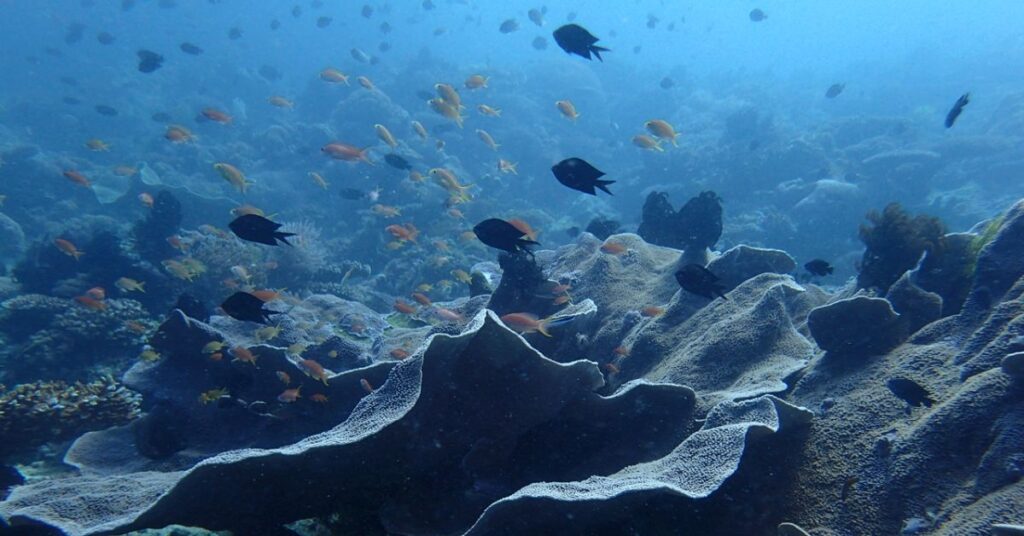
Nestled along the coast of Oriental Mindoro, Puerto Galera is a diving hotspot that offers a mix of vibrant coral reefs, historic shipwrecks, and world-class muck diving. As part of the Verde Island Passage, one of the most biodiverse marine corridors in the world, this destination is perfect for divers of all levels.
What Makes Puerto Galera Special?
🌊 Diverse Dive Sites – From shallow reefs teeming with marine life to deep wrecks waiting to be explored, there’s something for every diver.
🐠 Muck Diving Paradise – Photographers will love the critters and macro life, including frogfish, seahorses, and nudibranchs.
🚢 The Verde Island Drop-Off – A thrilling wall dive with strong currents and an explosion of marine biodiversity, often referred to as the “center of the center” of marine shore fish diversity.
How to Get There
✈️ Fly to Manila, then take a bus or private car to Batangas Port.
⛴️ From Batangas Port, take a ferry to Puerto Galera (approx. 1–2 hours).
Best Time to Visit
✅ December to April – The dry season offers the best visibility and sea conditions.
🚫 Avoid peak crowds around Christmas and Chinese New Year if you prefer a quieter dive experience.
With easy access from Manila and an impressive variety of dive sites, Puerto Galera remains one of the top diving destinations in the Philippines.
3. Anilao, Batangas
Anilao, located in Batangas Province, is often hailed as the birthplace of scuba diving in the Philippines. It’s a haven for underwater photographers and macro diving enthusiasts, boasting an incredible variety of small marine creatures, from vibrant nudibranchs to elusive frogfish. The nutrient-rich waters support a thriving ecosystem, making every dive an exciting treasure hunt.
What Makes Anilao Special?
🤿 Muck Diving & Macro Photography – Anilao is one of the best places in the world for spotting tiny, rare critters like blue-ringed octopuses, seahorses, and flamboyant cuttlefish.
🐠 Diverse Marine Life – Beyond macro diving, Anilao also offers healthy coral reefs, dramatic drop-offs, and occasional sightings of larger pelagics.
🚗 Convenient Access – Its proximity to Manila makes it a top choice for weekend dive trips.
How to Get There
Anilao is roughly a 2-hour drive from Manila. Travelers can take a private car or bus to Batangas City, followed by a short tricycle ride to their chosen dive resort.
Best Time to Visit
The prime diving season runs from November to May, with the clearest waters and best conditions. However, diving is possible year-round, with different marine species appearing in different months. Expect peak crowds during holidays like Christmas and Chinese New Year.
4.Moalboal, Cebu
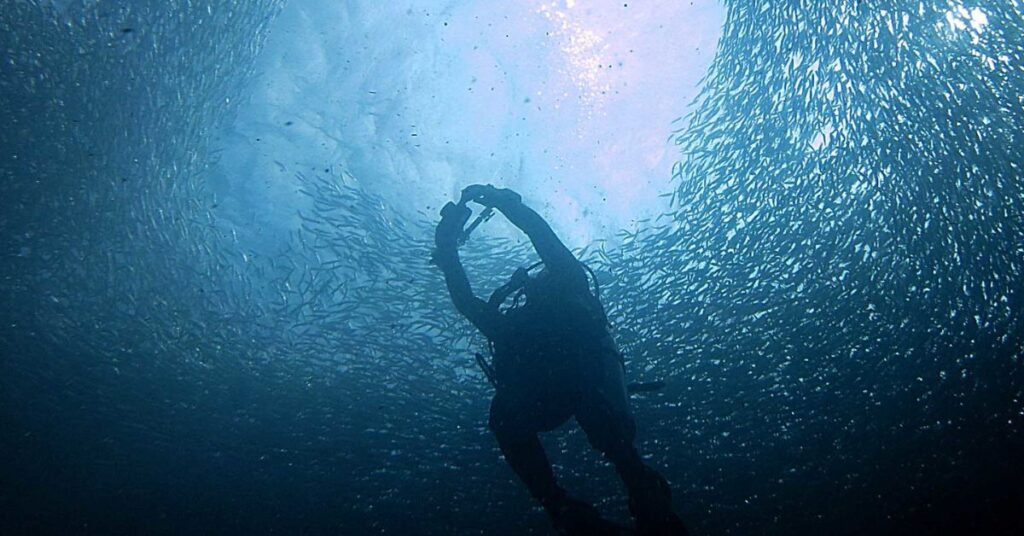
Nestled along the southwestern coast of Cebu, Moalboal is a top-tier diving destination known for its vibrant marine life, stunning coral walls, and legendary sardine run. Whether you’re an experienced diver or a beginner, Moalboal offers a mix of thrilling underwater spectacles and easy-access shore diving.
Why Dive in Moalboal?
🐟 The Famous Sardine Run – Witness millions of sardines swirling in mesmerizing formations, just meters from the shore at Panagsama Beach.
🌊 Dramatic Coral Walls – Pescador Island and other nearby sites boast colorful reefs teeming with turtles, reef sharks, and macro life.
🦈 Whale Shark Encounters – While whale sharks don’t frequent Moalboal itself, divers can take a day trip to Oslob for a chance to see these gentle giants up close.
How to Get There
✈️ Fly to Cebu City from Manila or international hubs.
🚌 Take a 3-4 hour bus or private van from Cebu City to Moalboal.
Best Time to Visit
✅ December to May – Calm seas, excellent visibility, and ideal diving conditions.
🌊 Year-Round Diving – The sardine run happens every day, and Moalboal’s marine biodiversity makes it a great spot any time of the year.
For those seeking world-class diving, breathtaking underwater scenery, and easy access to marine megafauna, Moalboal is an essential stop on any Philippine dive itinerary.
5. Malapascua Island, Cebu
Located off the northern tip of Cebu, Malapascua Island is a bucket-list destination for divers seeking thrilling encounters with thresher sharks. This tiny tropical island is world-famous for its early-morning dives at Monad Shoal, where these elusive deep-sea predators rise from the depths at dawn—one of the few places on Earth where divers can reliably see them.
Why Dive in Malapascua?
🦈 Thresher Shark Encounters – Daily dawn dives at Monad Shoal offer unmatched opportunities to see thresher sharks up close.
🌊 Diverse Dive Sites – Explore colorful coral gardens, wreck dives, and macro hotspots teeming with nudibranchs, seahorses, and frogfish.
🐢 Gato Island – A marine reserve and sea snake sanctuary, perfect for drift dives and cave exploration.
How to Get There
✈️ Fly to Cebu City from Manila or international locations.
🚌 Take a 4-hour bus or private van from Cebu City to Maya Port.
⛵ Board a 30-45 minute boat ride to Malapascua Island.
Best Time to Visit
✅ December to May – Dry season brings the best visibility and calm waters.
🌊 Year-Round Diving – Thresher sharks are seen daily, but conditions are best in the dry months.
For divers looking to experience one of the most unique pelagic encounters in the world, Malapascua Island is a must-visit.
6. Coron Bay, Palawan
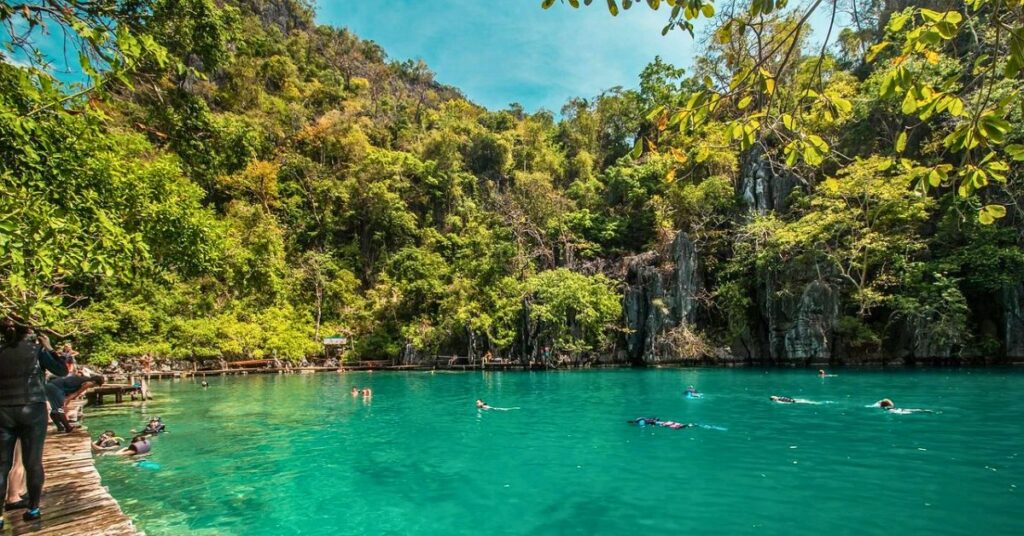
Nestled in Northern Palawan, Coron Bay is a wreck diver’s paradise, home to some of the best-preserved World War II shipwrecks in the world. These sunken Japanese warships, now teeming with marine life and coral growth, offer an unparalleled underwater experience for both recreational and technical divers.
Why Dive in Coron Bay?
⚓ WWII Shipwrecks – Over 10 well-preserved Japanese wrecks, including the Akitsushima, Okikawa Maru, and Irako, resting between 10m to 40m.
🐠 Thriving Marine Life – Expect vibrant coral reefs, schooling fish, and even sea turtles inhabiting the wrecks.
🌋 Barracuda Lake – A unique thermocline dive site with dramatic limestone formations and warm brackish waters.
How to Get There
✈️ Fly to Busuanga Airport (Francisco B. Reyes Airport) from Cebu, or Clark.
🚐 Take a 30-45 minute van or tricycle ride to Coron Town.
🚤 Dive operators depart daily from Coron Town to the shipwreck sites.
Best Time to Visit
✅ December to May – Dry season ensures the best visibility and calm waters.
🌊 Year-Round Diving – Wrecks can be explored anytime, but monsoon season (June to October) may bring rougher conditions.
For wreck diving enthusiasts, Coron Bay is one of the most exciting dive sites in the world, blending history, adventure, and stunning marine biodiversity.
7. Balicasag Island, Bohol
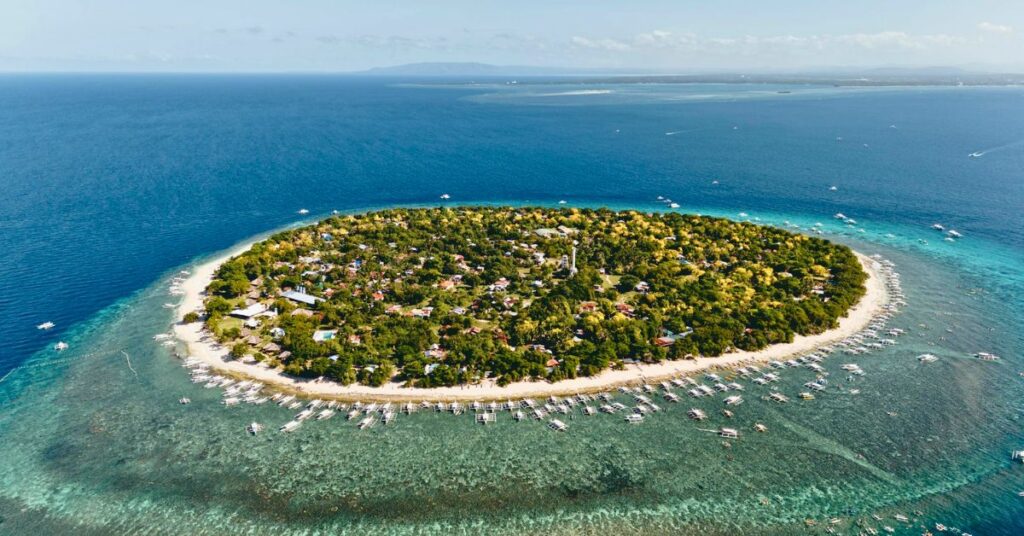
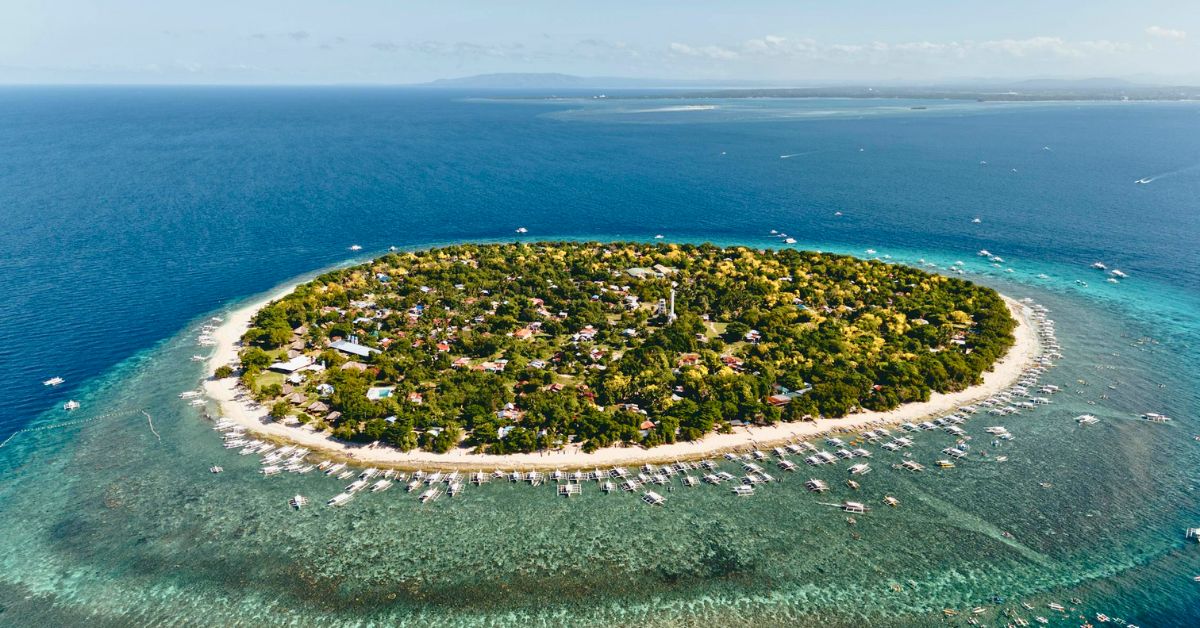
Located just off the coast of Panglao Island, Bohol, Balicasag Island is a protected marine sanctuary renowned for its stunning coral gardens, abundant sea turtles, and crystal-clear waters. This small island is one of the best dive spots in the Philippines, attracting divers eager to experience its vibrant underwater ecosystems.
Why Dive in Balicasag Island?
🐢 Sea Turtles Galore – One of the best places in the country to spot green and hawksbill turtles up close.
🌿 Coral Gardens & Drop-offs – Home to hard and soft corals, dramatic walls, and thriving fish life.
🐠 Diverse Marine Life – Schools of jacks, barracudas, and reef sharks make frequent appearances.
How to Get There
✈️ Fly to Tagbilaran Airport (Bohol-Panglao International Airport).
🚖 Take a short taxi or tricycle ride to Alona Beach, Panglao.
🚤 Hop on a 30-minute boat ride from Alona Beach to Balicasag Island.
Best Time to Visit
☀️ November to May – Best conditions with calm seas and optimal visibility.
🌊 Year-Round Diving – While diving is possible throughout the year, December and January tend to be the busiest months.
For divers seeking breathtaking coral landscapes and unforgettable turtle encounters, Balicasag Island is a must-visit gem in the heart of the Philippines.
8. Dauin, Dumaguete
Located in Negros Oriental, just south of Dumaguete City, Dauin is a muck diving paradise and a must-visit for underwater photographers and macro diving enthusiasts. Its volcanic-sand seabeds are home to rare and exotic critters, making it one of the best places in the world for macro photography.
Why Dive in Dauin?
🔍 Muck Diving Mecca – Spot frogfish, blue-ringed octopuses, mimic octopuses, flamboyant cuttlefish, and rare nudibranchs.
🏝️ Beachfront Resorts & Luxury Lodging – Many dive resorts offer beachfront accommodations with direct access to world-class dive sites.
🐠 Easy Access to Apo Island – Just a short boat ride away, Apo Island offers vibrant coral reefs, turtle encounters, and strong drift dives.
How to Get There
✈️ Fly to Dumaguete City from Manila or Cebu.
🚗 Take a 30-minute taxi or tricycle ride south to Dauin.
Best Time to Visit
✅ December to May – The dry season offers calm waters and great visibility.
📷 Year-Round Macro Diving – Muck diving is excellent anytime, but critter activity peaks from November to April.
For divers seeking unique marine life, top-tier resorts, and easy access to Apo Island, Dauin is an unmissable stop on any Philippine diving itinerary.
9. Anda, Bohol
Nestled on the eastern coast of Bohol, Anda offers a tranquil escape from the bustling crowds and a unique diving experience. Known for its calm waters and diverse marine life, Anda is an ideal destination for beginners and macro diving enthusiasts.
Why Dive in Anda?
🤿 Beginner-Friendly: The calm waters and shallow reefs make Anda an excellent choice for those new to diving.
Macro Marvels: Anda’s sandy slopes and seagrass beds are teeming with fascinating macro critters like nudibranchs, seahorses, and ghost pipefish.
- Relaxed Vibe: Escape the crowds and enjoy a peaceful diving experience in this laid-back coastal town.
- Cave Diving: Explore the intriguing underwater cave systems, like the famous Combento Cave, for a thrilling adventure.
How to Get There
- Fly: Fly to Tagbilaran Airport (Bohol-Panglao International Airport).
- Travel by Land: Take a bus or van from Tagbilaran City to Anda (approximately 2-hour journey).
Best Time to Visit
- Year-Round Diving: Anda offers pleasant diving conditions throughout the year.
- Dry Season (November to May): This period generally offers calmer seas and better visibility.
Whether you’re taking your first breaths underwater or seeking out tiny treasures in the sand, Anda provides a serene and rewarding diving experience in the beautiful Philippines.
10. Apo Reef, Mindoro
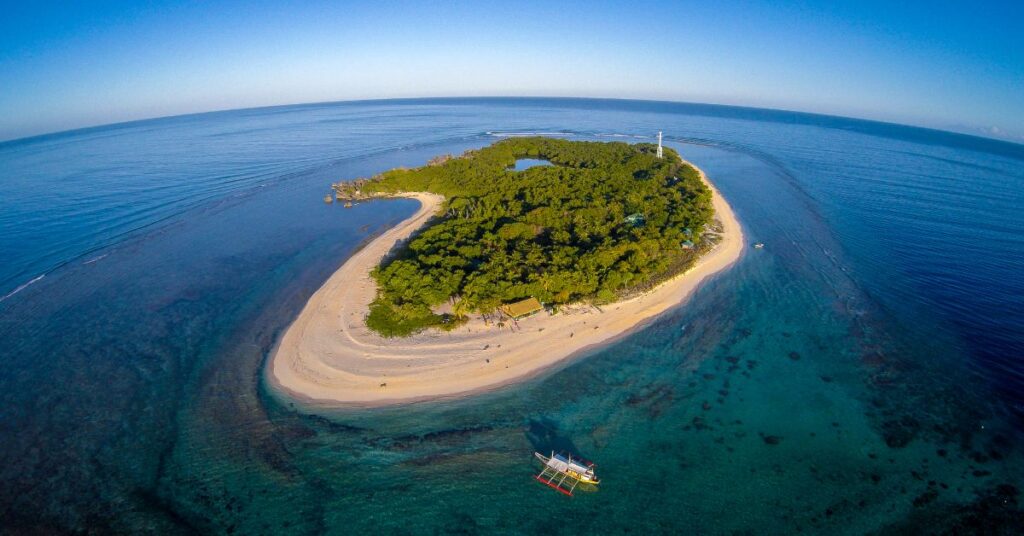
A jewel in the crown of Philippine diving, Apo Reef Natural Park lies in the Mindoro Strait. This UNESCO World Heritage Site boasts the second-largest contiguous coral reef system in the world, offering a breathtaking spectacle of coral diversity and thrilling pelagic encounters.
Why Dive in Apo Reef?
- Coral Wonderland: Immerse yourself in a kaleidoscope of colors as you explore vast stretches of pristine hard and soft corals.
- Pelagic Playground: Witness the majesty of the open ocean with frequent sightings of sharks, manta rays, and schools of tuna and jacks.
- Protected Paradise: As a marine protected area, Apo Reef thrives with abundant marine life and healthy ecosystems.
- Variety of Dive Sites: From shallow lagoons to dramatic drop-offs, Apo Reef caters to divers of all levels.
How to Get There
- Liveaboard: Liveaboard diving safaris are the most common and convenient way to access Apo Reef, departing from ports like Batangas or Coron.
Best Time to Visit
- March to May: These months generally offer the calmest seas and best visibility.
- Dry Season (November to May): Diving is possible throughout the dry season, but conditions can be unpredictable.
Apo Reef is a truly remarkable diving destination, offering a glimpse into the unparalleled biodiversity and grandeur of the underwater world.
11. Alona Beach, Panglao Island
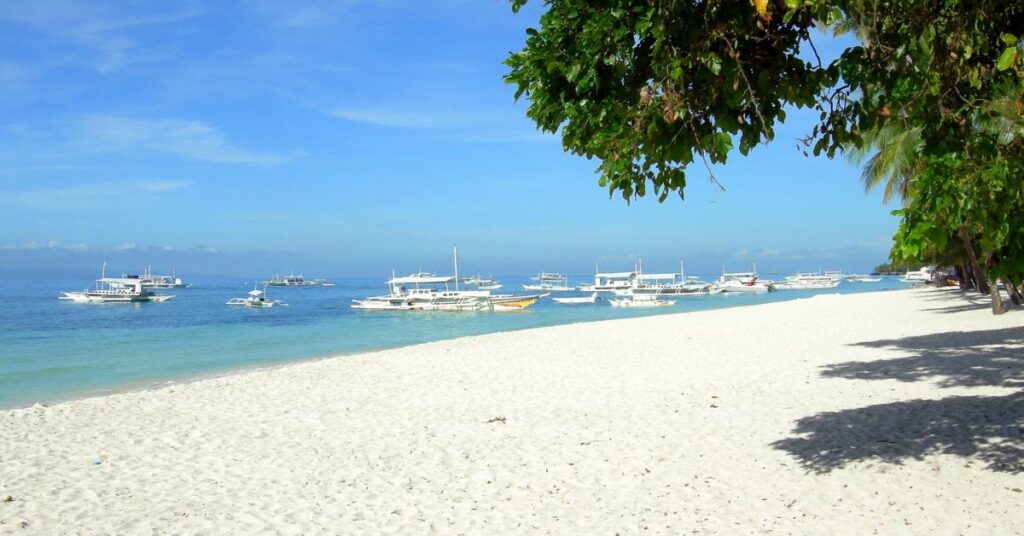
Alona Beach, located on the southern tip of Panglao Island in Bohol, is a vibrant hub for divers and beach lovers alike. This bustling stretch of coastline offers easy access to world-class dive sites, stunning beaches, and a lively nightlife scene.
Why Choose Alona Beach?
- Dive Site Gateway: Alona Beach serves as a launching point for exploring renowned dive spots like Balicasag Island, Pamilacan Island, and Napaling.
- Beach Bliss: Relax on the powdery white sands, soak up the tropical sun, and enjoy the crystal-clear turquoise waters.
- Nightlife and Entertainment: As the sun sets, Alona Beach comes alive with beachfront bars, restaurants, and fire dancers, offering a vibrant atmosphere.
- Variety of Accommodations: Choose from a range of budget-friendly guesthouses to luxurious resorts, catering to all types of travelers.
How to Get There
- Fly: Fly directly to Bohol-Panglao International Airport (TAG).
- From the Airport: Take a short taxi or tricycle ride to Alona Beach.
Best Time to Visit
- Dry Season (November to May): This period offers the best weather conditions for diving and enjoying the beach.
- Year-Round Destination: Alona Beach is a popular destination year-round, with diving possible even during the wetter months.
Alona Beach provides a dynamic blend of adventure and relaxation, making it an ideal destination for those seeking a complete tropical experience.
12. Boracay Island
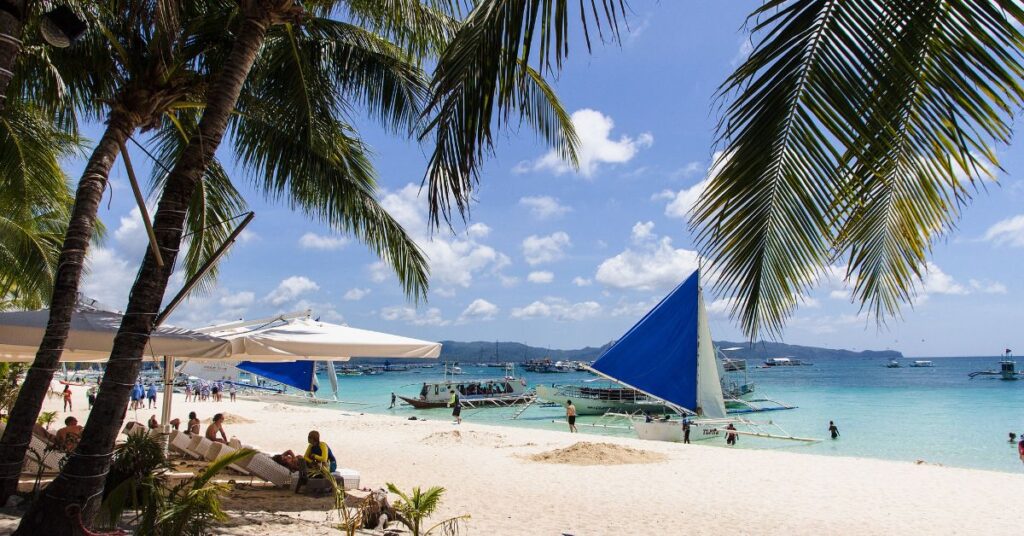
Located in Aklan Province, Boracay is best known for its powdery white sand beaches and vibrant nightlife, but beneath its turquoise waters lies a diverse underwater world. With calm conditions, accessible dive sites, and varied marine landscapes, it’s an excellent spot for both beginners and seasoned divers.
Why Dive in Boracay?
🐠 Beginner-Friendly Dives – Calm waters and gentle slopes make Boracay perfect for first-time divers.
🌊 Wall Diving for Experts – Sites like Yapak offer dramatic drop-offs teeming with reef sharks, tuna, and pelagic fish.
🛥️ Wreck Dives & Artificial Reefs – Explore sunken ships and man-made reefs that attract a variety of marine life.
How to Get There
✈️ Fly to Kalibo or Caticlan – Caticlan is the closest airport, while Kalibo offers more flight options.
⛴️ From Caticlan Jetty Port, take a 10–15-minute boat ride to Boracay.
Best Time to Visit
✅ December to May – The dry season provides optimal visibility and calm waters.
🚫 Avoid peak season (December & Holy Week) if you prefer fewer crowds.
With its stunning dive sites, crystal-clear waters, and lively island atmosphere, Boracay is more than just a beach destination—it’s a top-tier diving paradise for all skill levels.
Tips for Planning Your Diving Trip
Liveaboard vs. Land-Based Resorts:
Choosing the right accommodation for your diving adventure depends on your preferences and priorities.
- Liveaboards: Ideal for those who want to maximize their diving time and explore remote locations. Liveaboards offer the convenience of waking up to dive sites and minimizing travel time between dives.
- Land-Based Resorts: A great option for divers who prefer a more relaxed pace, with the flexibility to combine diving with other activities and explore the local area. Land-based resorts often offer a wider range of amenities and social opportunities.
Packing Essentials:
- Dive Gear: While most dive operators provide rental equipment, bringing your own mask, fins, and snorkel ensures comfort and familiarity.
- Sun Protection: Pack reef-safe sunscreen, a hat, sunglasses, and a rash guard to protect yourself from the strong tropical sun.
- Underwater Camera: Capture the beauty of the underwater world with a waterproof camera or housing for your phone.
- Dry Bag: Keep your valuables safe and dry during boat trips and excursions.
- Light Clothing: Pack breathable and lightweight clothing suitable for the tropical climate.
- Insect Repellent: Protect yourself from mosquitos and other insects, especially during evenings.
General Advice:
- Weather: The Philippines has a tropical climate with a dry season (November to May) and a wet season (June to October). While diving is possible year-round, the dry season generally offers calmer seas and better visibility.
- Transportation: Domestic flights, ferries, and buses connect major islands and cities. Within islands, tricycles, jeepneys, and taxis are common modes of transportation.
- Local Etiquette: Filipinos are known for their hospitality and friendliness. Learning a few basic Tagalog phrases will be appreciated. Remember to dress modestly when visiting churches or temples, and always ask permission before taking photos of people.
With careful planning and these helpful tips, you’ll be well-prepared to embark on an unforgettable diving adventure in the Philippines.
Frequently Asked Questions
What is the best time of year for diving in the Philippines?
The Philippines offers year-round diving opportunities, but the best time to visit generally depends on the specific region and the weather conditions you prefer. The dry season, from November to May, typically offers calmer seas and better visibility, making it ideal for most divers. However, some areas, like Dauin, are known for excellent muck diving year-round.
Are there dive sites suitable for beginners?
Absolutely! The Philippines has numerous dive sites perfect for beginners. Anda in Bohol, with its calm waters and shallow reefs, is a great choice. Alona Beach in Panglao also offers easy access to beginner-friendly dive sites. Many dive operators throughout the country provide beginner courses and guided dives, ensuring a safe and enjoyable experience.
How to choose between Tubbataha and other destinations?
Choosing between Tubbataha Reefs Natural Park and other dive destinations depends on your priorities and diving experience.
- Tubbataha: This UNESCO World Heritage Site is known for its pristine coral reefs, abundant marine life, and incredible pelagic encounters. It’s a top choice for experienced divers seeking a truly remote and untouched diving experience. However, Tubbataha is only accessible via liveaboard during specific months (March to June) and requires advanced diving skills due to strong currents.
- Other Destinations: The Philippines offers a wide range of dive destinations catering to different interests and skill levels. If you prefer easier access, a variety of dive sites, and the option to combine diving with other activities, destinations like Anilao, Dauin, or Moalboal might be more suitable.
Are there eco-friendly diving options?
Yes, there are many eco-conscious dive operators in the Philippines committed to sustainable diving practices. Look for operators that:
- Adhere to responsible diving guidelines, such as avoiding contact with coral and marine life.
- Use mooring buoys instead of anchors to protect coral reefs.
- Participate in reef conservation and cleanup efforts.
- Educate divers about marine conservation and responsible tourism.
By choosing eco-friendly diving operators, you can contribute to the preservation of the Philippines’ incredible marine biodiversity.
Final Words
The Philippines, with its breathtaking archipelago and vibrant marine ecosystems, truly offers a diving experience unlike any other. From the world-renowned Tubbataha Reefs Natural Park to the calm waters of Anda, there’s a dive destination for every level of expertise and interest. Whether you’re captivated by the dance of colorful reef fish, the thrill of encountering pelagic giants, or the intricate details of macro critters, the Philippines has it all.
The unique combination of pristine coral reefs, diverse marine life, stunning underwater landscapes, and warm Filipino hospitality creates an unforgettable diving adventure. So, what are you waiting for?
Ready to explore the depths? Start planning your Philippine dive adventure today!